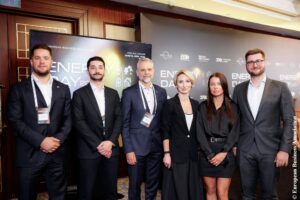
On 11 June 2025, Berlin Economics co-organized and participated in the EBA Energy Day 2025 in Kyiv, Ukraine, held in partnership with the European Business Association, DTEK and Helios Strategia. The event brought together key stakeholders to discuss the future development of Ukraine’s energy sector.

On 22 May, over 250 participants from the Kosovar government, the diplomatic corps, international institutions and the private sector gathered in Pristina for the 2nd Sustainable Investment Forum, organized by the European Investors Council. The forum focused on Kosovo’s path toward a greener and more sustainable future.
On 16 April, Berlin Economics’ Low Carbon Ukraine project, in cooperation with the Ministry of Energy of Ukraine, hosted an expert workshop to explore the economic, legal, regulatory, and operational foundations for electricity market coupling between Ukraine and the EU.

In March 2025, Kosovo officially adopted its first voluntary Nationally Determined Contributions (NDC) – a key step in the country’s commitment to tackle climate change through coordinated efforts by 2030. This important milestone was supported by Berlin Economics on behalf of UNDP Kosovo over the past year and a half.

On 11 March 2025, Café Kyiv took place in Berlin. Berlin Economics was represented with two panel events.

The financial challenges Ukraine is facing in the face of continued Russian aggression are enormous. International assistance remains essential, but even with the pledges made so far, there is a significant financing gap. To sustain its war effort, Ukraine needs long-term, predictable financial and military support.

The German-Kosovar Economic Forum 2024, organised by the German-Kosovar Business Association on the occasion of the 10th anniversary of the Berlin Process, took place in Pristina on 2–3 October 2024. The forum, which brought together more than 500 people, opened up a wide range of opportunities for dialogue and cooperation with the Kosovar government, as well as international and local partners.

Russia’s full-scale invasion of Ukraine in February 2022 has left a lasting impact on the country’s residential sector, with economic damages exceeding EUR 54 billion. Ongoing assaults on energy infrastructure have deepened the crisis, intensifying energy shortages and underscoring the urgent need for energy-saving solutions. One key response is to prioritize energy-efficient construction and retrofitting measures.

On October 16, 2024, Robert Kirchner from Berlin Economics participated in the panel discussion “Resilient Against Cold and Darkness: Strengthening Ukraine’s Energy System Against Russian Attacks” at the international Ukraine conference “What Kind of Peace? Ukraine and Us” organized by Center for Liberal Modernity.

Berlin Economics had the pleasure of hosting a delegation of government officials from Uzbekistan as part of their broader study tour focused on SMEs development and digital entrepreneurship. This initiative was organized by the United Nations Development Programme (UNDP) and offered a valuable platform for meaningful dialogue on enhancing small and medium-sized enterprises (SMEs) in transitioning economies.
 Economic Consultancy